Sanford, FL • Leak Detection in Sanford, FL
Professional Leak Detection in Sanford, FL
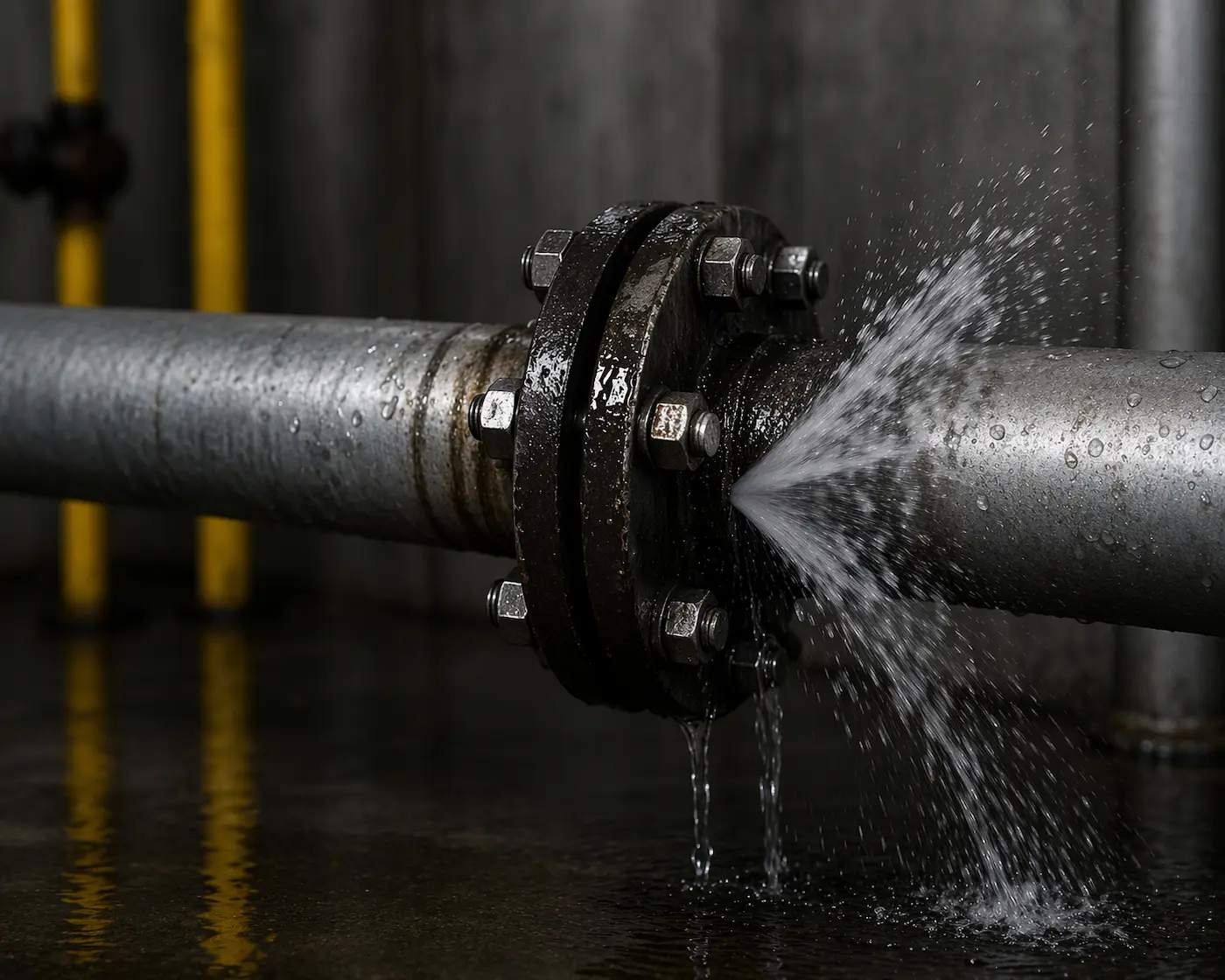
Sanford owners often need plumbing service when an older system starts showing wear in everyday ways. It may be a leak that appears under a sink, a pressure problem that affects showers, or a drain that backs up every few weeks even after being cleared. Leak detection for active and hidden water leaks behind walls, under floors, around fixtures, and in plumbing lines that are not easy to trace visually.
Local HVAC Help for Sanford Property Owners
Sanford owners often need plumbing service when an older system starts showing wear in everyday ways. It may be a leak that appears under a sink, a pressure problem that affects showers, or a drain that backs up every few weeks even after being cleared.
That makes plumbing service especially important in Sanford because older plumbing systems rarely improve on their own. Once a weak section starts failing, nearby fittings, lines, or drainage points may not be far behind.
Local property insight
We tailor recommendations based on the needs of Sanford homes, condos, and commercial spaces.
Fast city response
We focus on responsive scheduling and clear communication for customers throughout Sanford.
Right fit for the property
Service designed for older single-family homes, historic properties, rental homes, shops, restaurants, and small commercial buildings in Sanford.
Areas we commonly serve in Sanford
Need broader service details? Visit our main Leak Detection page.
Sanford Snapshot
What to expect locally
Property types
Older single-family homes, Historic properties, Rental homes, Shops, restaurants, and small commercial buildings
Local service focus
Fast response, dependable workmanship, and practical solutions for Sanford properties
Need help in Sanford?
Speak with our team and request leak detection in sanford, fl for your Sanford property today.
Local Demand
Why leak detection is common in Sanford, FL
Plumbing service is common in Sanford because many properties include aging components that still see normal daily use. Over time, that combination produces clogs, leaks, pressure problems, and water heater failures that need direct repair.
In many cases, the need for leak detection becomes more noticeable when systems are under constant demand and even minor issues start impacting daily comfort.
Common local issues
- Leaking pipes or fittings in older plumbing runs
- Weak water pressure from aging supply lines or valves
- Recurring sewer or drain backups
- Water heaters reaching the end of service life
Why timely service helps
- • Older plumbing issues often worsen instead of staying stable
- • Water damage can affect original finishes, framing, and flooring
- • The right repair approach helps prevent repeated calls for the same issue
Early Warning Signs
What property owners in Sanford usually notice first
In Sanford, owners often notice plumbing trouble through recurring symptoms rather than one dramatic event. A line may leak intermittently, pressure may vary by time of day, or the same bathroom may keep having drainage issues. Those patterns usually point to a system that needs more than a quick patch.
Discoloration or staining near plumbing walls
This can be an early sign that your system is losing performance, struggling to maintain comfort, or needs professional attention before the issue becomes more disruptive.
Persistent sewer odor near bathrooms or utility areas
This can be an early sign that your system is losing performance, struggling to maintain comfort, or needs professional attention before the issue becomes more disruptive.
Pressure that drops noticeably when more than one fixture runs
This can be an early sign that your system is losing performance, struggling to maintain comfort, or needs professional attention before the issue becomes more disruptive.
A water heater making popping or rumbling sounds
This can be an early sign that your system is losing performance, struggling to maintain comfort, or needs professional attention before the issue becomes more disruptive.
Repeated need to plunge or clear the same drain
This can be an early sign that your system is losing performance, struggling to maintain comfort, or needs professional attention before the issue becomes more disruptive.
Not every issue means a major repair is needed, but recurring comfort or airflow problems are usually a sign that leak detection is worth addressing sooner rather than later.
When To Call
Signs you may need leak detection in Sanford
Many HVAC issues start with small warning signs before they become expensive system failures. If you notice any of the issues below, it may be time to schedule professional leak detection.
Why this matters
Early service often helps avoid bigger breakdowns, protects energy efficiency, and keeps your HVAC system operating more reliably during high-demand weather in Sanford.
Unexpectedly high water bill
This is a common sign that your system may need professional leak detection to restore comfort, improve reliability, and prevent the issue from getting worse.
Water stain on wall or ceiling
This is a common sign that your system may need professional leak detection to restore comfort, improve reliability, and prevent the issue from getting worse.
Musty smell with no obvious source
This is a common sign that your system may need professional leak detection to restore comfort, improve reliability, and prevent the issue from getting worse.
Warm spot on flooring
This is a common sign that your system may need professional leak detection to restore comfort, improve reliability, and prevent the issue from getting worse.
Damp cabinet or baseboard area
This is a common sign that your system may need professional leak detection to restore comfort, improve reliability, and prevent the issue from getting worse.
Sound of running water when nothing is being used
This is a common sign that your system may need professional leak detection to restore comfort, improve reliability, and prevent the issue from getting worse.
Common Causes
What causes hidden plumbing leaks?
Hidden leaks often develop where plumbing systems experience wear, stress, corrosion, loose fittings, failed seals, or movement over time. They may form at supply connections, shutoffs, pipe joints, under-slab runs, behind shower walls, around toilet seals, or near aging fixture lines. In some cases, the leak is small enough that it does not show openly until the surrounding materials have already absorbed moisture.
Worn or failing pipe joints and fittings
Loose or deteriorated supply line connections
Pipe corrosion or material failure
Slab leak conditions beneath flooring
Failed seals near toilets, tubs, showers, or valves
Long-term slow leaks hidden behind finished surfaces
Finding the source before the damage spreads
When do you need leak detection instead of a visible leak repair?
If water is already visibly coming from a pipe, fixture, or valve, the issue may be straightforward. But when the symptoms are indirect and the water source is not clear, leak detection is usually the first step toward a proper repair.
Good service decisions are not just about solving the immediate problem. They are also about long-term comfort, efficiency, reliability, and overall value. Looking at the full condition of the system helps you make a smarter next step instead of making a rushed decision based only on short-term frustration.
When leak detection makes sense
- You have signs of water damage but cannot see where the leak starts
- The water bill has increased without a clear reason
- You hear water movement when fixtures are off
- There is dampness, staining, or odor near walls, floors, or cabinets
When the issue may already be visible
- A supply line is clearly dripping under a sink
- A shutoff valve or connection is visibly leaking
- Water is coming from a faucet, hose bib, or exposed fixture body
- The leak source can be seen directly without opening surfaces
The biggest risk with hidden leaks is delay. Even a slow leak can keep damaging drywall, flooring, cabinets, framing, or subfloor material as long as the source remains unresolved.
Common Problems
Common Leak Detection Problems in Sanford
These are some of the most common issues property owners in Sanford run into when they need leak detection.
Leaking Pipe
A plumbing pipe is allowing water to escape, whether visibly or behind walls, floors, ceilings, or cabinets.
Hidden Water Leak
Water is escaping somewhere in the plumbing system without an obvious visible source.
High Water Bill
Water usage charges rise unexpectedly, often because water is being lost through leaks or inefficient plumbing conditions.
Need service in Sanford?
Get help with your leak detection in sanford, fl needs today
Reach out for prompt service in Sanford, FL, or return to our main service page.
Frequently Asked Questions
Answers to common questions about leak detection in Sanford.
Common signs include a higher-than-normal water bill, staining, damp drywall, soft flooring, musty odor, mold-like moisture conditions, or the sound of water running when no fixture is on. Those signs usually mean water has already been escaping somewhere in the system.
Yes. Small leaks cause damage by duration, not just by volume. Water that drips steadily behind a wall or under flooring can damage cabinets, drywall, trim, paint, framing, and subfloor material over time.
A sudden increase may indicate a leak, especially if your water use habits have not changed. Hidden toilet leaks, slab leaks, underground supply leaks, and slow line leaks can all raise the bill without producing an obvious puddle.
No. Some hidden leaks show up first through odor, staining, warped material, temperature changes in the floor, or water usage patterns. Visible pooling may not appear until later.
Yes. We provide plumbing service in Sanford for older homes, rentals, updated residences, and commercial properties.
They can be. Older properties often develop leaks, pressure issues, recurring clogs, and water heater problems as original plumbing components age or partial upgrades create mixed-system wear.
That depends on the condition and location of the line. A short damaged section may be repairable, but repeated leaks, corrosion, or multiple weak points usually make replacement the smarter long-term option.